
Egypt Rail Tragedy Unearths Deeper Infrastructure Concerns
A deadly train collision in Egypt highlights urgent infrastructure safety and investment needs across Africa. Enterprise Africa examines the broader…
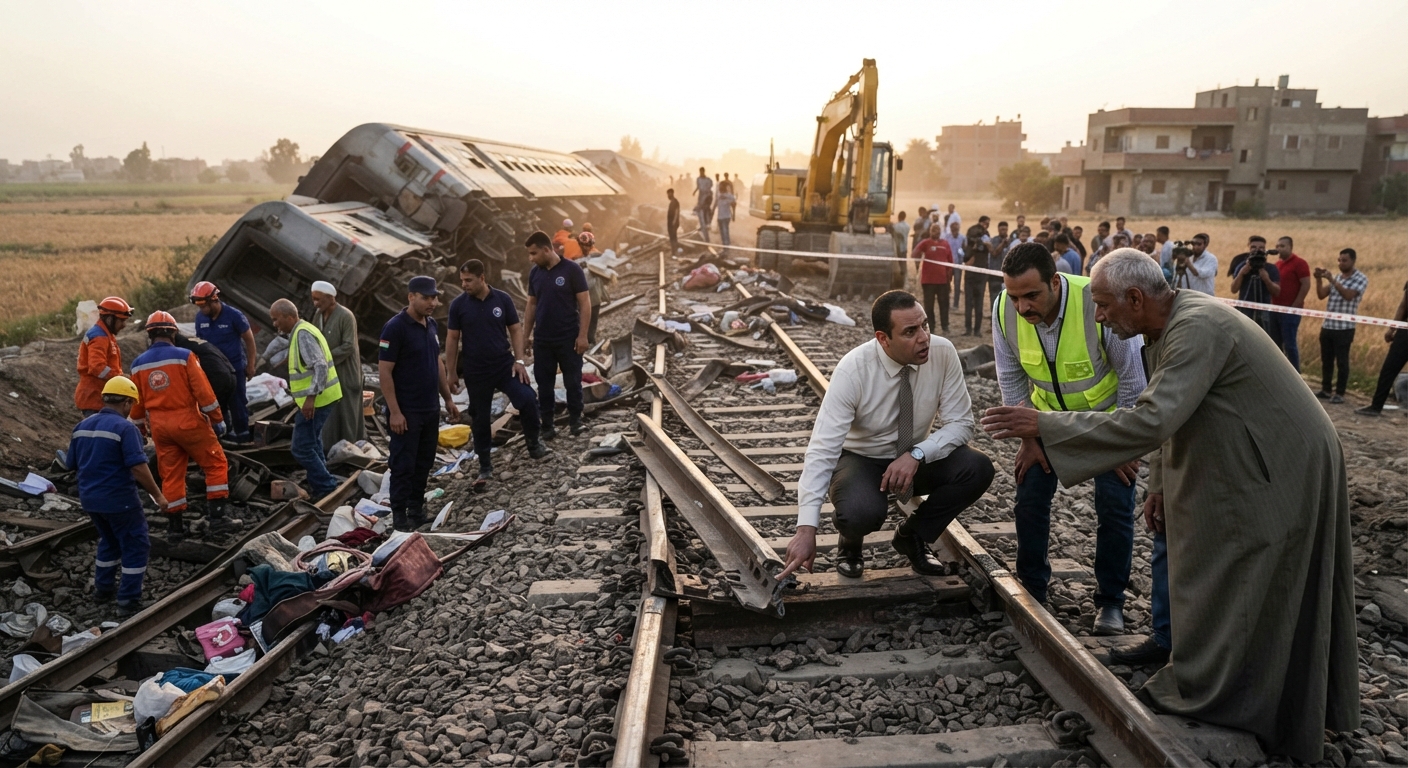
A devastating train collision near Giza, Egypt, has left at least seven people dead and over a hundred injured, sending shockwaves through the nation and casting a critical spotlight on the state of its vital rail infrastructure. The incident, involving two southbound services, saw carriages derail and overturn, prompting a massive emergency response and a presidential directive for a swift, thorough investigation.
A Network Under Scrutiny
The catastrophic rear-end collision occurred as one train, en route from Giza to Fayoum, struck a stationary service travelling from Cairo to Aswan. Images from the scene depicted overturned and severely damaged carriages, a stark testament to the impact's force. Emergency services swiftly mobilised, with local hospitals placed on heightened alert to manage the influx of casualties suffering from broken bones and head injuries. President Abdul Fattah al-Sisi immediately ordered a comprehensive investigation to ascertain the circumstances and hold any negligent parties accountable, while the Public Prosecutor’s office cautioned that the death toll could still rise. This tragic event, which also claimed the life of one of the train drivers, resonates with a troubling history of rail disasters in the same region. Notably, the area near Al-Ayyat was the site of Egypt's deadliest train fire in 2002, which claimed over 370 lives, and further fatal incidents in 2009. The repeated occurrences underscore persistent challenges within the country's extensive railway network.
Beyond the Crash: A Call for Modernization
Egypt boasts one of Africa's oldest railway systems, a network that has long grappled with underinvestment, aging infrastructure, and maintenance issues. While ambitious plans for modernization and expansion are underway, including high-speed lines, such incidents highlight the critical need for accelerated reform across the existing network. The suspension of train services between Giza and Upper Egypt following the crash disrupts crucial passenger and freight movement, underscoring the economic ripple effects of infrastructure failures. For a nation positioning itself as a key gateway for trade and investment between Africa, the Middle East, and Europe, a reliable and safe transportation backbone is non-negotiable. The tragedy has reignited public calls for accountability, including the resignation of the transport minister, reflecting a societal demand for robust safety standards and proactive infrastructure development.
The Africa Angle
For 'Enterprise Africa' readers, this incident transcends a localized tragedy; it serves as a potent reminder of the continent-wide imperative for robust and safe infrastructure. Egypt, a powerhouse economy in Africa, faces challenges mirrored across many nations striving for economic growth and regional integration. Multinationals eyeing expansion into African markets, and investors seeking FDI opportunities, prioritize stability, efficiency, and safety in critical logistics networks. The reliability of rail corridors, particularly those connecting economic hubs and facilitating intra-African trade, directly impacts supply chain resilience and operational costs. This tragedy underscores the strategic importance of government and private sector collaboration in upgrading aging infrastructure, implementing advanced safety protocols, and fostering a culture of preventative maintenance. Investing in modern rail not only prevents future loss of life but also unlocks immense potential for trade corridors, enhances economic competitiveness, and supports the broader vision of a connected and prosperous Africa.
As investigations continue, the human cost of the Giza collision is undeniable. Beyond the immediate tragedy, it lays bare the ongoing vulnerabilities within essential infrastructure systems. For Egypt, and indeed for the entire African continent, this incident is a stark call to action: prioritizing investment in modern, safe, and efficient transportation networks is not merely an operational necessity but a fundamental pillar of sustainable economic development and regional integration.
Source: BBC Africa

Silicon Secrets: Nvidia CEO Scandal Puts Global Tech Integrity in the Spotlight
Nvidia CEO Jensen Huang's entanglement with a suspected spy casts a shadow on global tech ethics and supply chain integrity, with critical implications for FDI

Africa's $30 Billion Aftermarket Set to Accelerate with AfCFTA Rules
AfCFTA rules are set to supercharge Africa's $30 billion automotive aftermarket, creating vast opportunities for FDI, regional trade, and manufacturing across…

Nvidia Leadership Under Scrutiny: Geopolitical Currents Ripple Through Global Tech
Nvidia, a global AI leader, faces an espionage probe concerning its CEO. Enterprise Africa explores the implications for corporate governance, FDI, and tech…

AfCFTA's Trillion-Dollar Promise: Driving an 81% Intra-African Trade Revolution
The AfCFTA is set to boost intra-African trade by 81%, unlocking vast new opportunities for businesses, attracting FDI, and redefining economic corridors…

Unlocking Africa's Creative Economy: A New Frontier for Investment
Explore how Africa's vibrant creative and cultural industries are emerging as a major economic powerhouse, attracting FDI and driving diversification across…
US Midterm Shockwaves Jolt AI Investment Landscape, Africa Watches
US midterm election results have sent shockwaves through AI stocks, signalling potential regulatory headwinds. Enterprise Africa explores the global market…
AI's Global Reckoning: Africa's Tech Sector Poised Amidst Market Correction
As global AI stocks recover from a massive sell-off, learn how this market recalibration presents strategic opportunities for Africa's burgeoning tech and…